Smart Farming Revolution: AI and Precision Agriculture Boosting Yields and Sustainability
Revolutionizing Agriculture: How AI, Big Data, and Precision Tech Are Reshaping Farming
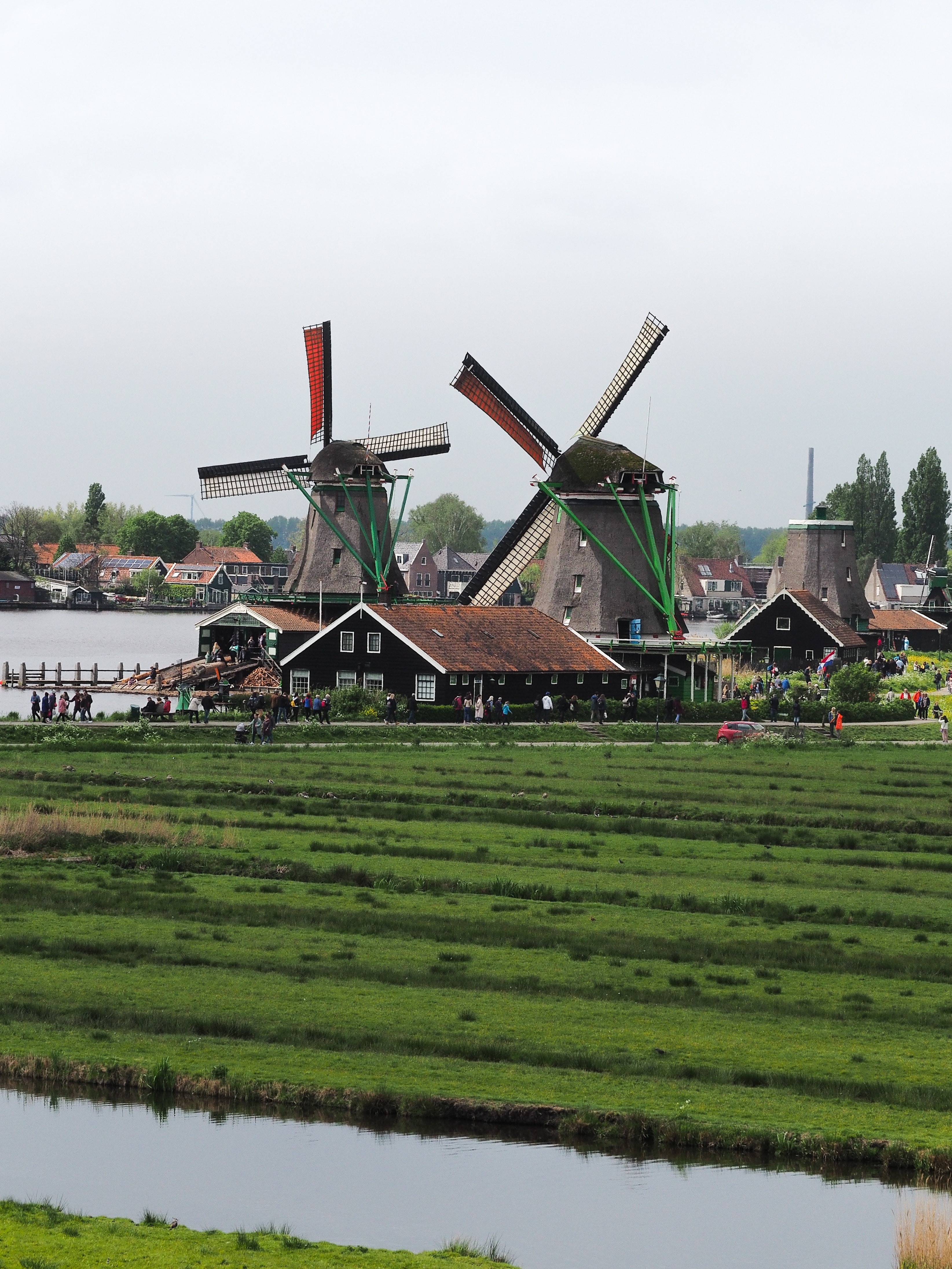
Agriculture is undergoing a seismic shift. Thanks to innovations in precision agriculture, big data analytics, and artificial intelligence, farmers today are equipped with tools that not only boost productivity but also promote sustainability and resilience.
This isn’t just about smarter farming — it’s about feeding a growing population while protecting the planet.
🌾 What Is Precision Agriculture?
Precision agriculture is a data-driven approach to farming that uses technologies like:
Sensors
GPS and Autosteer systems
Variable Rate Technology (VRT)
Computer vision and imaging tools
These tools allow farmers to manage crops at the micro level — treating each section of a field based on its unique needs rather than applying blanket solutions.
The result? Higher yields, lower costs, and reduced environmental impact.
📊 Big Data and AI: Farming’s New Brainpower
Big data analytics helps farmers make smarter decisions by analyzing massive datasets — from soil health to weather patterns. AI takes it further by automating tasks like:
Monitoring crop health
Predicting pest outbreaks
Optimizing irrigation and fertilization
Managing harvest schedules
Together, these technologies transform farming from reactive to proactive.
🌱 Real-World Applications of Precision Agriculture
Here’s how precision agriculture is already making a difference:
Soil Monitoring: Sensors detect nutrient levels and moisture in real time.
Smart Irrigation: Systems deliver water only where and when it’s needed.
Targeted Fertilization: VRT applies nutrients precisely, reducing waste.
Crop Surveillance: Drones and imaging tools spot disease before it spreads.
Yield Mapping: GPS tracks productivity across fields to guide future planting.
In Ontario, for example, GPS is widely adopted, while VRT is gaining traction as farmers seek more efficient ways to manage inputs.
🌍 Sustainability and Climate Impact
Precision agriculture isn’t just good for business — it’s good for the planet.
✅ Reduced Fertilizer and Pesticide Use
By applying inputs only where needed, farmers cut down on chemical runoff and pollution.
✅ Lower Greenhouse Gas Emissions
Site-specific applications mean fewer emissions from overuse of fertilizers and machinery.
✅ Improved Soil Health
Managing fields in smaller zones allows for tailored care, preserving soil structure and biodiversity.
✅ Less Food Waste
Better crop management means fewer losses due to disease, pests, or poor timing.
These practices align with global goals like net-zero carbon systems and sustainable food production.
💡 The Future of Farming Is Smart, Sustainable, and Scalable
Increase yields
Reduce costs
Protect natural resources
Adapt to changing conditions
And with AI and big data evolving rapidly, the possibilities are expanding — from autonomous tractors to predictive analytics that anticipate market demand.
🌾 Final Thoughts: A New Era for Agriculture
Precision agriculture, big data, and AI are not just buzzwords — they’re the backbone of a smarter, more resilient food system.
By embracing these tools, farmers can produce more with less, protect the environment, and meet the demands of a growing world.
The future of farming is here.
And it’s precise, powerful, and profoundly transformative.
Precision agriculture, big data, and AI are not just buzzwords — they’re the backbone of a smarter, more resilient food system. By embracing these tools, farmers can produce more with less, protect the environment, and meet the demands of a growing world.
The future of farming is here. And it’s precise, powerful, and profoundly transformative.
Suggested References for Your Blog Article:
Mgendi, G. (2024).
Unlocking the potential of precision agriculture for sustainable farming.
Discover Agriculture, Springer Nature.
→ Offers a comprehensive review of precision agriculture’s impact on crop health, resource optimization, and sustainability.
Cravero, A., Sepúlveda, S., Gutiérrez, F., & Muñoz, L. (2026).
From Precision Agriculture to Intelligent Agricultural Ecosystems: A Systematic Review of Machine Learning and Big Data Applications.
Agronomy, MDPI, 16(5), 516.
→ Explores the evolution of ML and big data in agriculture, including Deep Learning, Federated Learning, and Explainable AI.
Srikanthnaik, J. (2024).
Artificial Intelligence and Machine Learning for precision in agriculture: A comprehensive systematic review.
International Journal of Research in Agronomy, 7(6), 762–767
→ Focuses on AI-driven solutions like autonomous weeding, drone-assisted spraying, and decision-support systems.
Woźniak, M., & Ijaz, M. F. (2024).
Recent advances in big data, machine, and deep learning for precision agriculture.
Frontiers in Plant Science, 15.
→ Highlights innovations in plant disease detection, crop health monitoring, and AI integration.
Gangwani, N. (2025).
AI-Driven Precision Agriculture: Optimizing Crop Yield and Resource Efficiency.
McCombs School of Business, USA.
→ Reports measurable impacts of AI: 15% better yield prediction, 30% less water use, and 20% fertilizer reduction.
Mgendi, G. (2024). Unlocking the potential of precision agriculture for sustainable farming. Discover Agriculture, Springer Nature. → Offers a comprehensive review of precision agriculture’s impact on crop health, resource optimization, and sustainability.
Cravero, A., Sepúlveda, S., Gutiérrez, F., & Muñoz, L. (2026). From Precision Agriculture to Intelligent Agricultural Ecosystems: A Systematic Review of Machine Learning and Big Data Applications. Agronomy, MDPI, 16(5), 516. → Explores the evolution of ML and big data in agriculture, including Deep Learning, Federated Learning, and Explainable AI.
Srikanthnaik, J. (2024). Artificial Intelligence and Machine Learning for precision in agriculture: A comprehensive systematic review. International Journal of Research in Agronomy, 7(6), 762–767 → Focuses on AI-driven solutions like autonomous weeding, drone-assisted spraying, and decision-support systems.
Woźniak, M., & Ijaz, M. F. (2024). Recent advances in big data, machine, and deep learning for precision agriculture. Frontiers in Plant Science, 15. → Highlights innovations in plant disease detection, crop health monitoring, and AI integration.
Gangwani, N. (2025). AI-Driven Precision Agriculture: Optimizing Crop Yield and Resource Efficiency. McCombs School of Business, USA. → Reports measurable impacts of AI: 15% better yield prediction, 30% less water use, and 20% fertilizer reduction.


Comments
Post a Comment